

Pallet Racking Safety Tips For The New Year
January 8, 2026With the new year commencing, it’s often a good idea to take a look at a business, see how it’s operating, see what worked last year, and what can be improved. The new year is an opportunity for a fresh start and a good time to make changes that may be needed. It’s also a great time to look at your warehouse storage and make sure it’s as safe as cane be. Pallet racking is an important part of a business, but if it’s not set up and maintained properly, can also be a dangerous part of a business. Here’s how to start the new year safely when it comes to your racking. When Was Your Last Pallet Racking Inspection? By law, all pallet racking needs to be inspected by a competent person every 12 months. Pallet racking inspections are extremely important to ensure the ongoing safety of of the racking and to make sure any damage or wear and tear is repaired quickly. The new year is a good time to check that your pallet racking is compliant and to book in your next racking inspection, even if it’s awhile away. That way you won’t forget when the time comes. A pallet racking inspections thoroughly goes over a warehouse’s pallet racking looking for damage, signs or corrosion, over loading, and more. From there, a plan can be made to repair any damage in order to make it safe again. Once the damage is rectified, the pallet racking is certified for another year. It’s a basic first step to ensuring safety around pallet racking. Check The Pallet Racking Yourself As Well Even if you don’t have a yearly inspection coming up, checking the pallet racking yourself for signs of damage is important. As people get tired towards the end of the year, they can start to cut corners and make mistakes. This can lead to accidents both large and small, with the smaller ones sometimes going unreported. A small dent in racking or slight overloading may have gone overlooked just before Christmas, so check everything at the start of the year to make sure your pallet racking is as it should be. Often times correcting problems or repairing damage early is faster and less expensive than waiting until it’s an emergency. So get things done early. What Else Was Forgotten Last Year? With that in mind, as the year ends, it’s easy to think “let’s just leave it until after the break.” This is normal and usually fine, so long as you and the team actually do the task after you’re back! Whether it’s something to do with the pallet racking, like a minor repair, or some other non-urgent warehouse task, be sure to prioritise it now that the team are back at work. What might have been a small issue before Christmas can quickly turn into a large issue, and a safety risk, if it’s not attended to. Consider If Something Needs To Be Replaced Or Updated Again, this may not be just about pallet racking, but consider if equipment needs to be replaced or updated due to business operations or safety reasons. As business needs change, the equipment and pallet racking being used can change. And, if these things aren’t being used as intended, at best your warehouse isn’t as optimal as possible, and at worst it’s dangerous. For example, a business may be fine operating with selective pallet racking but, as it grows, may benefit from something slightly denser like double deep pallet racking. Although the update may be costly, it could introduce a number of efficiencies into the business that will save money in the long term. If You Need Help, Get In Touch If you need a hand with your pallet racking and warehouse safety, get in touch with us right away. We’re happy to to speak about what your business and warehouse needs and suggest the best course of action.

Why Australian Made Is Important
We’ll start this post by admitting we’re pretty biased in our opinion here. After all, we are an Australian commercial construction company. So naturally we’re going to prefer Australian businesses and Australian made products. We get it though, when we have a choice of what to use for building supplies, using foreign made materials can be tempting; but we’re not willing to compromise quality just to save a few dollars, so we’re always careful when sourcing materials. So why, exactly, is buying Australian made important and why is it in a customer’s best interest to support Australian businesses? Let’s explore. It Helps Create Australian Jobs The most obvious and often sited reason for going Australian made is that it help create and encourage Australian jobs. More Australian jobs means a better Australian economy and that’s better for all businesses. For us, if we support Australian businesses, we find that it comes around and helps our business as well. It’s as simple as that! You Have Quality Guarantees With Australian Made Products A big advantage to buying local is that you have some pretty good assurances of quality. That’s not to say that a product will be good just because it’s Australian, but if the quality of an Australian product is lacking, it’s easier to follow up with the company that made it. If you’re not satisfied after that, Australian consumer law will likely be on your side. Take pallet racking, for example. We supply and install a variety of both new and used pallet racking brands, but we often recommend Australian made Colby pallet racking. For warehouse mezzanines, we often use Colby products or Australian made steel. We also custom fabricate anything else we need in our own Australian based factory. What this means for our customers is that we’re easily contactable if there’s a problem with any of our work or with something we supply. We’re located in Dingley Village and work with clients across Victoria. Customers know who we are and we can fix a product if a mistake is made. It doesn’t often happen, but it does give customers peace of mind. Australian Products Also Adhere To Australian Standards Staying with pallet racking, it’s important that any racking installed at a business in Australia adheres to relevant Australia Standards like AS4084. As an Australian based company, we know AS4084 and other standards well and can guarantee and certify that anything we build and install adheres to the relevant standard. If it doesn’t, it’s on us to fix. If, for example, a business orders pallet racking from an overseas supplier that only says that the racking adheres to standards, there’s little recourse if it turns out that it doesn’t. Adherence to the right Australian Standards is the same for everything else we build or custom fabricate, whether it’s a mezzanine for an office, custom fabricated racking, or anything else. And you just can’t get that sort of guarantee with something made overseas.

Can You Install Your Own Pallet Racking?
Here at A1 Precision Solutions, we both supply and install pallet racking. We understand that for many businesses, pallet racking can be a significant expense. Because of this, a lot of businesses look to save money where they can when it comes to their racking. For some this may mean buying used pallet racking. Used pallet racking can be a good option for businesses on a budget, although it can sometimes limit what’s available when it comes to warehouse storage. Other businesses often look to install their pallet racking themselves, and we often get the question “can we do this?” The short answer is yes, you can install your own pallet racking. However, there’s a “but” to consider. Although installing pallet racking isn’t a difficult job, there are a few challenges that businesses may face in the installation process. Firstly, making sure the business has the right tools to install the racking. This may not be a challenge for some businesses, but for others, they may not have the right equipment to properly secure the pallet racking to concrete floors (for example). For smaller racking set ups, self installation may not be a problem, but as warehouses get bigger, more pallet racking is required, and often higher pallet racking. Installing something like this requires special equipment like scissor lifts and safety concerns about working at height, something a business may not be able to do. The True Limitations Of Installing Your Own Pallet Racking Even if a business has the required equipment to install pallet racking themselves, the true limitations in the self installation may not be immediately obvious. Firstly, a business needs to consider how good a job its own team will do at installing pallet racking themselves. A business may have top notch warehouse staff, but how much pallet racking installation experience do they have? Pallet racking installation isn’t a complex job, but like anything, experience helps. Workers with lack of experience may take longer and make small mistakes that need to be corrected in the future. Additionally, while workers are erecting pallet racking, they’re not doing other tasks required to keep a business operating, so in a lot of ways, a business owner is paying for workers time to put up the pallet racking and then paying them again to catch up on their regular duties. The savings can quickly go away. However, the biggest issue when it comes to pallet racking self installation is ensuring it’s certified for safety in line with relevant Australian Standards, notably AS4048:2023. Not only does AS4048:2023 say that a pallet racking inspection needs to happen at least once a year, it also needs to be certified as safe once it’s put up. If a company puts pallet racking up themselves, how is it supposed to be certified? Many companies won’t certify pallet racking if they know nothing about the installation itself, making it cost more time and money finding a company that will. With that in mind, if a business installs pallet racking themselves without completely understanding the Australian Standards, they may make mistakes that need to be fixed or rectified before the pallet racking can be certified; again, costing more time and money. Get Your Pallet Racking Professionally Installed Although it’s certainly possible for a business to install pallet racking itself, it’s usually not the best idea to do so. There may be some initial money savings, at least on paper, but those savings can quickly go away when you consider taking staff away from their other duties and their experience. At best, the pallet racking will be installed properly, but getting it certified may be difficult. At worst, the pallet racking won’t have been installed correctly, which will require even more time and money to get it fixed. If you need help with your pallet racking installation, contact us today.

All About Custom Designed Warehouse Mezzanines
A warehouse mezzanine can serve a lot of purposes and, depending on its purpose will be designed in different ways. Because of this, clients often wonder if a warehouse mezzanine can be custom designed to fit specific purposes. The short answer is, yes, we can custom design and build a mezzanine based on the specific needs of a business. Basically speaking, if you can think of it, we can design and build it. That being said, we have a number of different ways to build warehouse mezzanines depending on different business needs, and often times when a business thinks they need a completely custom option, it’s often not needed. What Is A Custom Designed Warehouse Mezzanine? Firstly, let’s look at what exactly a custom mezzanine is. Since different business have different warehouse layouts and different needs, it’s natural to think that every mezzanine needs to be custom designed and built, but that’s usually not the case. Sure, most mezzanines are fairly unique, but we wouldn’t call them custom either in design or build. Instead, many of the warehouse mezzanines we build for customers are modular in design. This means that, for most business needs, we don’t need to create anything unique for a business. Instead, an existing design can be adapted to suit the needs of a business. Different modular options can be configured for different set ups and different needs including longer spans, having pallet racking supporting the mezzanine, and more. Of course some mezzanine situations require something a little more “out of the box” and, as the need becomes more unusual, more modifications can be made until it becomes a truly custom job. Completely Custom Warehouse Mezzanines Even with modular mezzanines, some aspects still need to be customised. This may included customised supports for very long spans, custom fabricated staircases for unusual layouts, and more. For customers who need a fully customised mezzanine design, however, it’s important that the mezzanine is strong and safe to use. Because of this, we here at A1 Precision Solutions not only build warehouse mezzanines, but we’re also able to handle the full design of the mezzanine including the engineering aspects of the project. All of this will ensure that the mezzanine being built complies with relevant Australian standards and, more importantly, warehouse safety expectations. Talk To Us About Your Mezzanine Needs It can be difficult to figure out whether you need a completely custom warehouse mezzanine or whether a more modular design would be sufficient. After all, you’re probably not aware of the various different options that are available. If you’re in need of a warehouse mezzanine, speak to us about your specific situation. We’re happy to find out what you need the mezzanine for, what your current warehouse situation is like, and more, in order to find a warehouse storage solution to suit your needs.

How’s Your Line Marking?
Safety always needs to be the highest priority in the workplace, especially in an industrial setting like a warehouse or factory. One key safety feature in warehouses and factories is line markings. Line markings are a basic but essential safety feature in industrial settings. On aspect of line marking and safety is to keep areas separate and/or alert people of shared areas. Warehouses, for example, inevitably have materials handling equipment like forklifts in operation. This poses a significant safety risk for pedestrians in the warehouse. Line markings can be used to designate pedestrian only zones, forklift only zones, and shared zones. Although line markings such as this don’t guarantee safety, it’s one of the many features that can be put into a warehouse that help with safety. Line marking can also be use to designate specific areas in a warehouse such as parking, loading, unloading, and temporary storage. Not only is this good for organisation, order, a warehouse optimisation, it also promotes safety by making sure everything is where it’s supposed to be. It’s Easy To Forget About Line Marking All that being said, it’s easy to forget about line marking and let it deteriorate. Like everything in a warehouse or factory, line marking is subject to wear and tear, and needs to be maintained and replaced over time. With people and equipment moving over it everyday, line marking will wear out and will need to be repainted. But, as mentioned, it’s easy to forget about this. Since the wear happens slowly, people who are in the warehouse every day simply won’t notice the fading and, over time, line marking loses its brightness, contrast, and therefore effectiveness. It’s a gradual process that’s easy to ignore until the markings are gone and no longer doing their job. Every workplace should have regular safety audits and evaluations. Warehouses are already used to yearly pallet racking inspections, and should be doing their own safety assessments regularly. These assessments should include looking for damage to pallet racking, safety barriers, signage, and of course, line marking. An assessment of line marking could include keeping records of when line markings were last painted, looking for worn areas, and comparing pictures of the new line marking compared to how it is now. Have a threshold for when line marking needs to be redone and stick to it. Let’s Talk Line Marking So, when was the last time your business had its line markings repainted? If you can’t remember, go out onto the floor and look at it. How worn is it? Do you think it’s still doing its job? Or does it need to be re-painted? Come and talk to us about your line marking and other warehouse safety needs. We’re happy to help.

Can A Warehouse Mezzanine Be Moved?
A mezzanine floor can be very handy in a warehouse situation. It can be used for additional storage either above or below it, for office or staff space, shelving above pallet racking, and more. Overall, a mezzanine is an extremely versatile addition to a warehouse. But what happens if the mezzanine needs to be moved or removed? Is it permanent? The short answer is that warehouse mezzanines can be moved or removed if needed; they’re only a semi-permanent addition to a warehouse in most cases. There are a lot of reasons why a business may need to move a mezzanine, so making them only semi-permanent is ideal. Since many businesses rent their warehouse space, a mezzanine may need to be removed at the end of a tenancy as part of the make good process. The owner of the warehouse may not want the mezzanine present, so it may be required to be removed prior to vacating the warehouse at the end of a tenancy. The good news is that once the mezzanine is dismantled and removed, it may be possible to move it to the new business premises and be used again. Many mezzanines are built in a modular fashion, so they can be rebuilt and added to if needed. With that, although most businesses are happy with their mezzanine’s position, changes in business needs may mean that the warehouse needs to be reorganised and the mezzanine may need to be moved to a different part of the warehouse. Again, this is easily possible. All of this is possible because, as mentioned, mezzanines are built in a modular fashion. For many of the mezzanines that we build at A1 Precision Solutions fabricate most of the mezzanine off site, and then put it all together onsite. This speeds up the building process and limits the downtime a business sees when installation is happening. In addition to this though, since a mezzanine is something that is “put together” it can also be taken apart and put back together again! All in all, getting a new mezzanine for a warehouse and then moving or removing it later is quite simple. If you need more space in your warehouse, a mezzanine may be a good answer. Speak to us today about what we can do for you.
Why Regular Pallet Racking Inspections Are Important
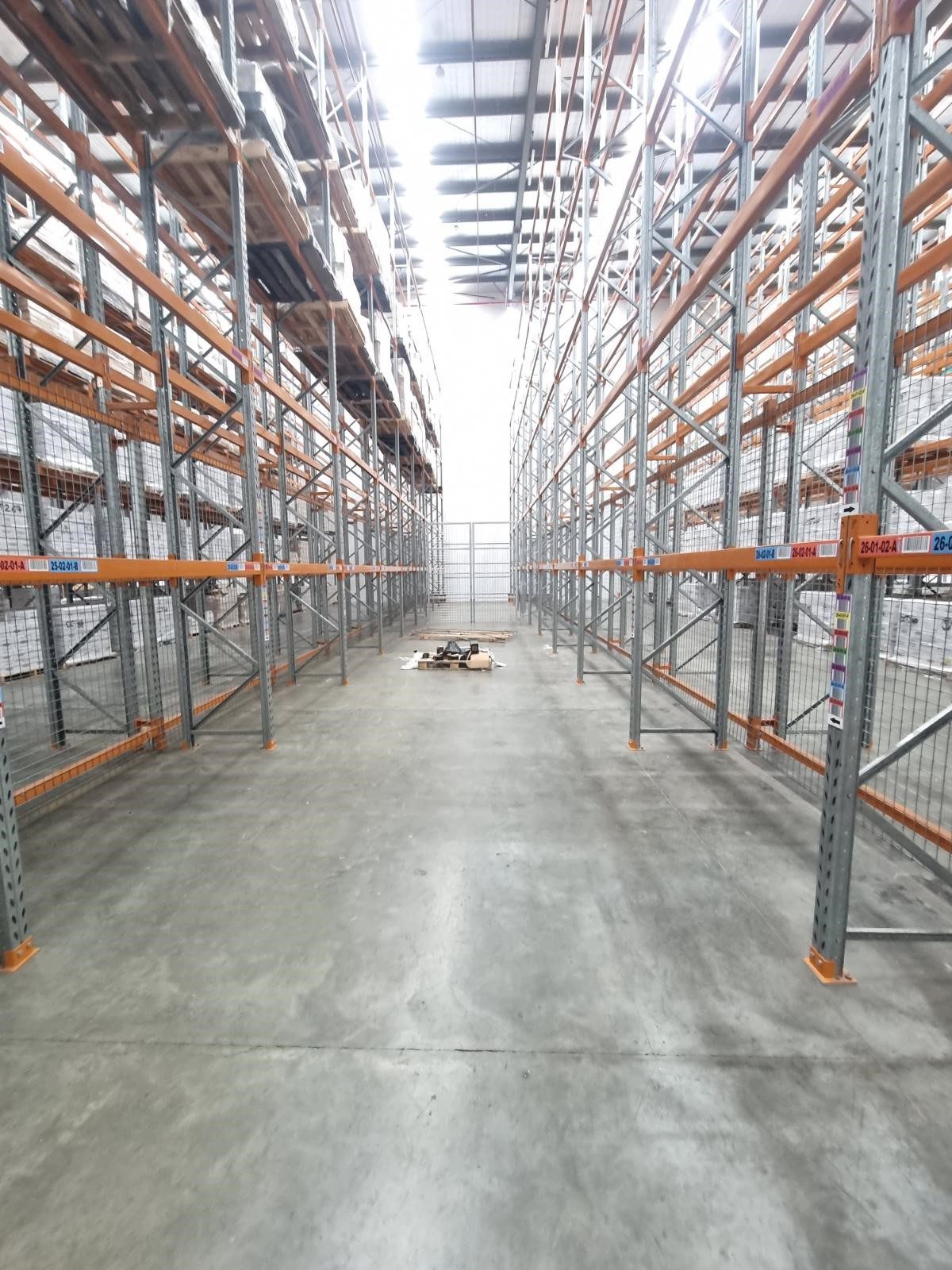
According to Australian Standards, pallet racking must be inspected at least every twelve months. But why does the Australian Standard specify this and why is it important? The main reason racking needs to be inspected regularly is safety. Pallet racking goes through a lot on a day to day basis. Not only is it holding large weights, but it can also occasionally get damaged, especially through getting hit by equipment like forklifts. In relation to the weights that pallet racking holds, if overloaded, the racking can become damaged or risk collapsed. Whether it’s damage, overloading, or just general wear and tear, all of this poses a safety risk. And because of this, it’s important that pallet racking is inspected regularly. If there is a problem, it can be rectified quickly so that it no longer poses a safety risk. This is the reason why the Australian Standard requires that pallet racking gets inspected every twelve months at a minimum. Beyond safety, it’s also important that pallet racking is kept in good condition in order to avoid damage to stock and the warehouse in general. Poorly loaded or damaged pallet racking can collapse and, assuming no one is hurt, the stock that the pallet racking is storing will surely be damaged, not to mention other parts of the warehouse. If a collapse like this happens, and you’re lucky that no body is hurt, it can still be a costly mistake. As a business, the damaged stock needs to be replaced, as well as repair to the damaged warehouse and replacement of the collapsed pallet racking. This doesn’t even mention the lost productivity from having to clean everything up. All in all, damaged pallet racking poses a big risk to both safety and the general operation of a business. This is why regular inspections are needed. What Happens At A Pallet Racking Inspection? The good news is that a pallet racking inspection is usually pretty easy. Our pallet racking inspectors aren’t there to catch a business out or get them in trouble. Instead, they’re there to find any potential hazards, damage, or safety issues, and putt a plan in place to have it rectified. This may involve requiring an immediate fix to some of the pallet racking, but it may also involve simply suggesting something be fixed in the near future before it gets worse. For more serious pallet racking damage, the inspector may require that the pallet racking be unloaded until it’s fixed. This can be very inconvenient to a business but, as already mentioned, it’s less inconvenient that a pallet racking collapse that can injure or shut down a business! After the pallet racking is inspected and anything that needs to be fixed is fixed, the pallet racking is then certified for another year. What Happens If Pallet Racking Isn’t Inspected If pallet racking isn’t inspected yearly and there’s an accident, there can be serious repercussions for business owners. Business owners are ultimately responsible for the operation of a warehouse and the safety of everyone who works there. So, if a business owner isn’t doing what they’re obliged to do in terms of workplace safety or what’s described in the Australian Standard for pallet racking, they can be held responsible for injuries and deaths that occur in the workplace. Because of this, complying with the Australian Standard on pallet racking is extremely important. Book In A Racking Inspection Today If you’re overdue for a racking inspection, get in touch with us today to book one in. We’ll inspect the racking then provide a quote on what needs to be done to get it fixed. From there, your pallet racking will be compliant and good for another year.

What Happens To Complete A Warehouse Fit-Out?
Here at A1 Precision Solutions, we do a variety of different fit-outs. We do a lot of office fit-outs involving getting businesses set up with things like office partitions, installation of utilities, carpeting, and more. We also do a lot of warehouse fit-outs as well, which are another important part of our business. However, what’s involved in a warehouse fit-out? How is it different from a other fit-outs? And what should you expect if you’re doing one. Let’s Start With The Floor Building from the ground up, it’s important to make sure the flooring for the warehouse is suitable for use and in good repair. Obviously most warehouses have a simple concrete floor but, depending on what the warehouse will be used for, the flooring may need to be changed. For example, for warehouses storing potentially hazardous materials, flooring that can be easily cleaned of spills may need to be installed. And of course, if the flooring of the warehouse isn’t in good condition, it will need to be repaired. Planning Of The Warehouse Layout Warehouse optimisation needs to be done before any storage equipment is considered. This ensures that the layout of the new warehouse is conducive to optimal storage densities while also making sure it’s easy to operate within the warehouse, move materials throughout the warehouse, and more. Part of planning the warehouse layout may also involve deciding if something like a mezzanine level will be installed and, if it’s installed, where it will be and how it will be used. All in all, there’s a lot that goes into planning the layout for a new warehouse in order to ensure it operates at its highest capacity. Installation Of Storage Systems Warehouses typically have pallet racking and shelving to store goods on. The type of pallet racking or shelving will depend on what’s being stored, how it needs to be stored, and how it may need to be accessed. Different types of warehouse storage systems have their own pros and cons, and it’s often important to get expert advice on the exact kind of storage that’s going to be needed. This will all be worked out when the initial plan and optimisation of the warehouse is designed. Installing the pallet racking in a new warehouse is very often the the biggest part of the warehouse fit-out process, and also often one of the most expensive parts of a new warehouse fit-out. We can provide all the advice on the exact type of pallet racking needed for the project. Installation Of Safety Systems The most important part of a new warehouse fit-out is the safety systems. Safety systems may be as simple as line markings and safety barriers, but may also be more complex and involve sophisticated safety systems. Safety in the workplace always needs to be of the highest priority, so it’s important to plan safety systems and not cut any corners here. While cost savings can often be made in other areas, safety is not an area to go with a budget option. Materials Handing Equipment Every warehouse needs some sort of materials handling equipment. This may be as simple as a couple of forklifts, or it may be a variety of different pieces of equipment including conveyor systems, access equipment, and much more. The type of MHE needed in a warehouse will very much depend on what’s being stored there, how it’s being stored, and how it needs to be moved. There’s a variety of specialised equipment that works perfectly with what needs to be done. Contact Us About Your Next Warehouse Fit-Out We’re a true end-to-end commercial construction company that can help help with all aspects of a new warehouse fit-out. Whether it’s pallet racking, flooring, safety, or anything else, A1 Precision Solutions can provide all aspects of a warehouse fit-out. Speak to us about your next project.

The Different Types of Sandwich Panels
Sandwich panels are a great type of building material that combine light weight with good rigidity. Of course they’re not as strong as load bearing materials like concrete, but they work well for insulating walls, roofing, and more. Here at A1 Precision Solutions, we use sandwich panels in a variety of ways, most notably in the construction of cool rooms and large cold storage facilities. Sandwich panels work well here because of their insulated core and generally light weight. So what, exactly, is a sandwich panel, and what are the types that are used in construction? A sandwich panel is made up of three layers. The middle layer is typically a low density insulating core while the two outer layers, the skin, is a rigid material like aluminum. Since the panel is made up of a core layer sandwiched between two outer layers, it’s called a sandwich panel. The make up of the core and the material the skin in made out of will depend on the type of sandwich panel and what it’s being used for. For example, the core may be solid to provide more insulation or it may be a honeycomb shape to be rigid while reducing weight. EPS Panels EPS panels, or expanded polystyrene sandwich panels, use a polystyrene core. Because of this, EPS panels work well as an insulator and are often used in refrigeration. However, their use goes beyond this. Because of their insulating properties, EPS panels are quite versatile, and are often used in office and industrial settings as a general insulator to keep workplaces naturally cool or warm. With that in mind, EPS panels also work well in the construction of clean rooms because, again, their insulating property keeps temperatures relatively consistent, which can often be needed in these kinds of environments. PIR Panels PIR stands for polysocyanurate. Like EPS panels, PIR panels work great for insulation, often even more so. Another advantage of PIR panels is that, unlike EPS panels, the make up of the core structure is resistant to rodents, making it less susceptible to damage by pests. As mentioned, PIR panels work great as an insulator but they can be more expensive than EPS panels. Because of this, it’s important to choose wisely when considering whether to use PIR or EPS panels in a project requiring insulation. Of course, the highest amount of insulation possible is great, but if it’s not needed, EPS panels may be a better option. XFLAM Panels A main drawback to EPS and PIR sandwich panels is that they’re not fire resistant. XFLAM panels, on the other hand, have great insulating properties while also being resistant to fire. Like other insulating sandwich panels, XFLAM panels work well in cold storage environments, clean rooms, and the construction of processing facilities that may need temperature control. However, if the facility being construction also has fire concerns, XFLAM panels are likely the way to go. As with PIR versus EPS panels, although fire safety is important, if there’s no risk of fire in the facility (or if it’s mitigated another way), the extra expense of XFLAM panels may not be worthwhile. So similarly, it’s important to choose the type of panel correctly and also make sure it works well with the rest of the project. And More Although we’ve discussed the main type of sandwich panels here, there are many more that are manufactured for various specialised applications. If you have a project coming up that may require the use of sandwich panels, speak to us early so we can help decide the type of panel being used and how it will work into the facility as a whole.

The Differences Between New And Used Pallet Racking
Running a business can be expensive, so it’s important to find savings where you can. In a warehousing business, one of these savings can be on pallet racking. Pallet racking comes in a lot of different varieties and brands and, although it can be great to get new racking, if your business is looking to save money, used pallet racking may be a good option. Let’s take a look at new versus used pallet racking to explore the benefits of each. All in all, good quality used pallet racking can be almost indistinguishable from new pallet racking, so it may be a good choice for your business. However, if you’re willing to pay the higher price for new pallet racking, if may be worthwhile. The Benefits Of New Pallet Racking The biggest benefit to buying new pallet racking for a warehouse is that you can take advantage of the latest technology in warehouse storage and pallet racking in general. Sure, if all you need is selective pallet racking, it may be tempting to go the budget route, but technology changes, even for the simplest warehouse storage systems. The steel may be stronger, there may be better fastening systems allowing for higher loads, or it may just be more durable. Getting the newest of anything, racking or otherwise, ensures you’re getting the best and most up to date thing possible. With this in mind, buying new pallet racking ensures you’re able to get exactly what you want. If you’re on a budget and only considering used pallet racking, you may need to shop around in order to find the type of racking you’re after, especially if you’re after something relatively uncommon. Of course, pallet racking can be customised, whether it’s new or used, but your choice is a lot higher if you’re willing to consider something new. The final benefit to buying new pallet racking is that you’ll know the history. Of course, most pallet racking dealers only stock good quality used pallet racking, and here at A1 Precision Solutions we thoroughly inspect all of our used pallet racking, but you never know the history of it beyond what you’re told. We’re not saying this to scare customers away from used racking, but some people like the peace of mind afforded by buying a new product. The Benefits Of Used Pallet Racking The most obvious benefit of buying used pallet racking is the money saving. The amount of money you’ll be able to save buying used racking for your warehouse will depend on what type of racking you’re getting, but if your business needs to save money, it can be significant. The money saving is the biggest reason to buy used pallet racking rather than new. Additionally, although it may be difficult to find some brands or types of pallet racking used, used pallet racking does give some choice in terms of finding older racking that may be compatible with your current racking. Since racking designs change over time, going with used pallet racking may be the most practical option if you need uniformity between your racking. Finally, even though used pallet racking is older and has been used before (it’s in the name), it’s still going to be up to relevant Australian Standards if it’s purchased from a reputable dealer. All of the used racking that we sell adheres to AS4048:23. Although the price of used racking is the biggest selling point to it, the fact that used racking is still certified to the standard is, perhaps, the most important aspect of buying it. Of course new racking adheres to the standard, but, for workplace safety purposes, it’s extremely important that you ensure used racking adheres to the standard as well. Which Is Right For You? Regardless of whether you decide to purchase new or used pallet racking, ultimately you’ll get a good product and a great storage solution for your warehouse. However, sometimes a business needs advice on the way to go. If you’re not sure what type of racking you need, feel free to contact us to discuss your warehouse storage needs. We’re happy to help.